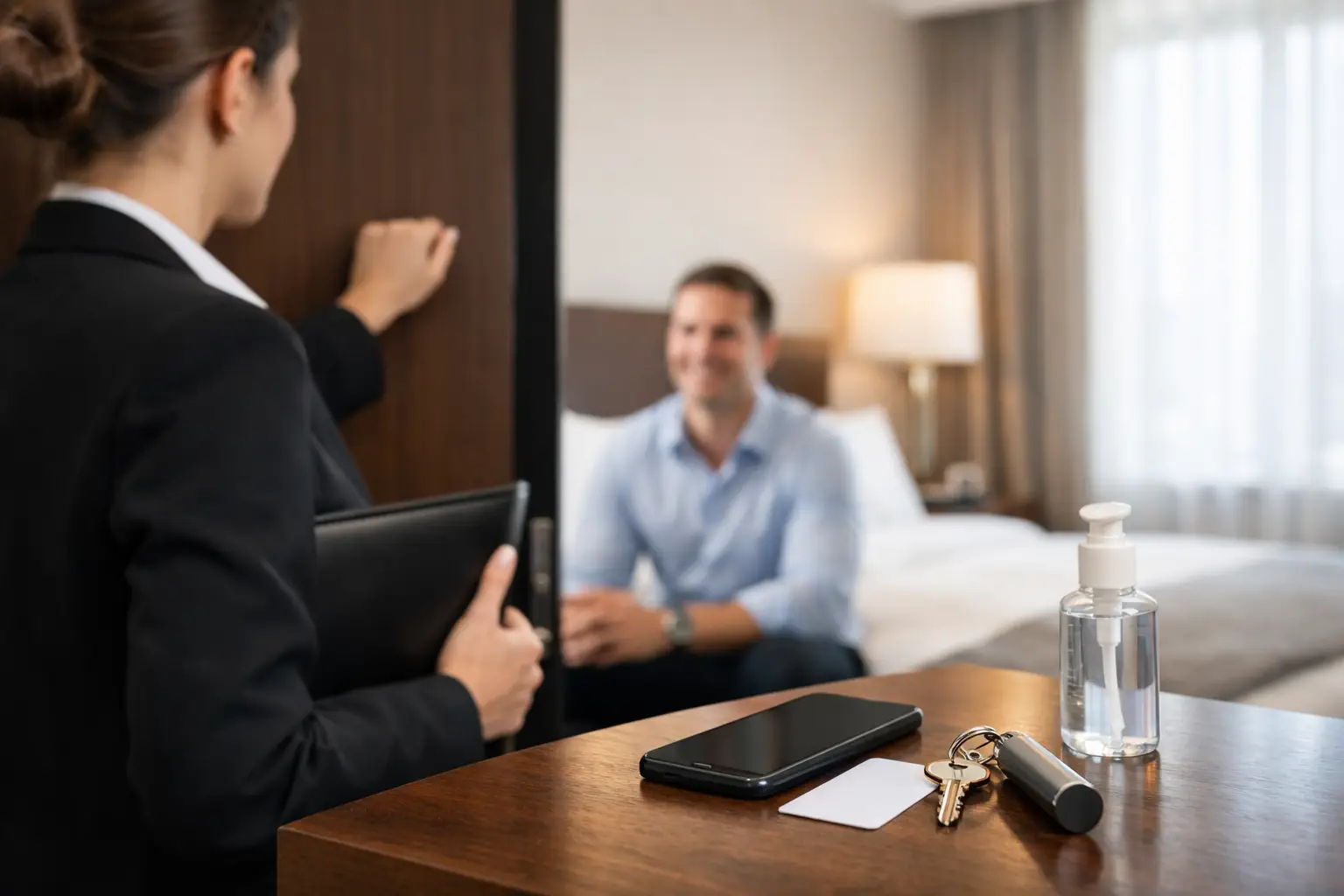
A hotel room can be the most convenient place to receive a service when you are traveling, working late, or only in Kuala Lumpur for a short stay. But outcall convenience for hotel guests is not simply about having someone arrive at the lobby. The best experience depends on clear hotel policies, legitimate providers, privacy-minded planning, and enough time to avoid rushed decisions.
For adult guests, the appeal is obvious. There is no need to navigate an unfamiliar city after a long flight, arrange extra transportation, or spend an evening searching for a reputable provider. Whether the request is for a massage, grooming, dining delivery, private fitness coaching, or another lawful in-room service, convenience works best when it is organized with discretion and common sense.
Why Hotel Guests Choose Outcall Convenience
Travel compresses time. A business traveler may have meetings in KLCC during the day and a flight the following morning. A tourist may want to enjoy Bukit Bintang without losing an hour in traffic. An expatriate hosting a visitor may simply prefer the comfort and familiarity of a hotel suite.
An outcall arrangement brings a qualified professional to the guest rather than requiring the guest to travel. That can make a short window of free time genuinely useful. It also gives the guest more control over the setting, schedule, and level of privacy.
Still, convenience is not a substitute for judgment. Hotels are private businesses with their own visitor rules, security procedures, and expectations for guest conduct. A provider who encourages a guest to ignore those rules is not offering premium service. They are creating unnecessary risk.
Outcall Convenience for Hotel Guests Starts With Hotel Policy
Before confirming any in-room appointment, check the hotel’s visitor policy. Some properties require outside visitors to register at reception and present identification. Others allow visitors to proceed only after the registered guest confirms their name. Certain luxury hotels are stricter at night, while serviced apartments and boutique properties may use a different process.
There is no reason to turn a straightforward booking into an uncomfortable conversation with security. Tell the provider the hotel name, neighborhood, and any check-in requirements before they travel. If the property requires visitor registration, respect it. If the hotel does not permit the requested service in guest rooms, choose another lawful location or select a service offered through the hotel itself.
A professional provider understands that access procedures are part of the job. They should arrive on time, communicate calmly, and never pressure a guest to bypass front-desk rules. Quiet, respectful conduct is usually the simplest path to privacy.
Ask These Questions Before You Confirm
A few direct questions can prevent confusion. Confirm the arrival window, total price, accepted payment method, cancellation terms, and whether the provider has experience with hotel check-in procedures. Ask what information they need from you and what they will do if the hotel denies access.
Also confirm exactly what service is being provided. Vague descriptions can lead to mismatched expectations, payment disputes, or an uncomfortable encounter at your door. Clear details protect both the guest and the visiting professional.
Verify the Provider Before Sharing Your Room Number
Do not share a room number in an initial message. A hotel name and lobby meeting point are enough until you have verified who is arriving. This is a basic privacy measure that applies to any outside visitor, from a therapist to a delivery person.
Use providers with an established business presence, clear service descriptions, reachable customer support, and consistent communication. Be cautious with profiles that rely only on urgency, refuse to explain prices, demand unusual payment methods, or change details repeatedly. A low price can become expensive if the service is unreliable, unsafe, or not what was promised.
Professionalism often shows up in small details. A trustworthy provider gives a realistic arrival time instead of promising impossible speed. They explain what is included. They respect boundaries. They do not ask for sensitive documents, bank information, or unnecessary personal details.
If something feels off, cancel before the person is en route. Guests do not owe access to their room because they sent an inquiry or discussed a booking. Your privacy and personal safety come first.
Protect Privacy Without Creating Problems
Discretion does not mean hiding from hotel staff or breaking property rules. It means keeping personal information limited, communicating respectfully, and avoiding unnecessary attention in shared spaces.
Meet a first-time provider in the lobby or another public area of the hotel before bringing them upstairs, especially if there has been limited prior communication. This lets you verify the person’s identity and gives both parties a chance to confirm that expectations match. If the provider is not who you expected, do not continue the appointment.
Keep valuables secured in the room safe or locked luggage. Put away passports, travel documents, expensive watches, electronics, and cash you do not need. This is sensible practice whenever any unfamiliar person enters a hotel room, including maintenance workers or delivery staff.
Avoid sharing your full itinerary, company details, home address, or travel documents. A reputable provider does not need that information to deliver a legitimate service. Use a separate travel contact number if you prefer, and make sure your phone is charged before an appointment begins.
Timing Makes the Experience Better
Last-minute availability can be useful, but the fastest option is not always the best option. Heavy rain, peak traffic, major events, and weekend nightlife can all affect travel time across Kuala Lumpur. A provider traveling from Mont Kiara to Bangsar or from the city center to a hotel near KLIA may need far more time than a map suggests.
Book with a realistic buffer. If you have a dinner reservation, meeting, or early departure, do not schedule an appointment so tightly that every delay becomes a problem. An organized guest gives the provider a clear time window and confirms the appointment again before they leave for the hotel.
For longer services, think about room type and hotel layout. A compact standard room may not be suitable for every appointment. A suite, serviced residence, or hotel wellness area may offer more space and comfort, depending on the service and property rules.
Payment and Consent Should Always Be Clear
Price confusion destroys convenience. Agree on the total charge before the appointment, including any travel fee, hotel access fee, product cost, or late-night surcharge. If a deposit is requested, use only a payment method you understand and keep a record of the agreement.
Never feel pressured to pay more than the agreed amount because someone has already arrived. Likewise, do not expect services that were not discussed and priced in advance. Respectful transactions depend on informed agreement from everyone involved.
Consent and boundaries matter in every private appointment. A guest can stop an appointment at any point. A provider can decline a request or leave if they feel unsafe or uncomfortable. No amount of payment removes either person’s right to say no. The most professional experiences are built on calm communication, not pressure or assumptions.
When an Outcall Is Not the Right Choice
There are situations where an in-room appointment is more trouble than it is worth. If your hotel has a strict no-visitor policy, if you are sharing the room with someone who has not agreed to the visit, or if you are too tired or impaired to make a clear decision, postpone it.
It may also be better to choose a hotel-operated service. Many premium properties have spas, dining teams, concierge partners, and wellness professionals who already understand the building’s rules. You may pay more, but the trade-off can be easier access, clearer accountability, and fewer questions at reception.
If you are visiting Malaysia from overseas, remember that local laws and cultural expectations may differ from those at home. Stay informed, choose lawful services, and treat hotel employees and providers with courtesy. Discretion works best when nobody is asked to compromise their safety, job, or legal obligations.
A convenient hotel visit should leave you feeling rested, respected, and in control of your time. Choose providers carefully, confirm the hotel rules early, and keep every arrangement clear enough that there is nothing to explain later.