How to Select a Verified Companion Profile: A Practical Guide to Spotting Real Elite Escorts & Avoiding Fakes
Selecting a verified companion profile has become more important than ever. The rise of AI-generated images, recycled photo sets, and carefully built fake listings means that a polished appearance alone is no longer enough. Many people only discover the problem after they have already invested time or money.
This guide gives you a clear, practical method for evaluating profiles before you make contact. You will learn what “verified” actually means, which signals are reliable, which ones are not, and how to build a shortlist of stronger options with less risk.
What “Verified” Actually Means
The word “verified” is used loosely across the industry. Not every badge or claim carries the same weight.
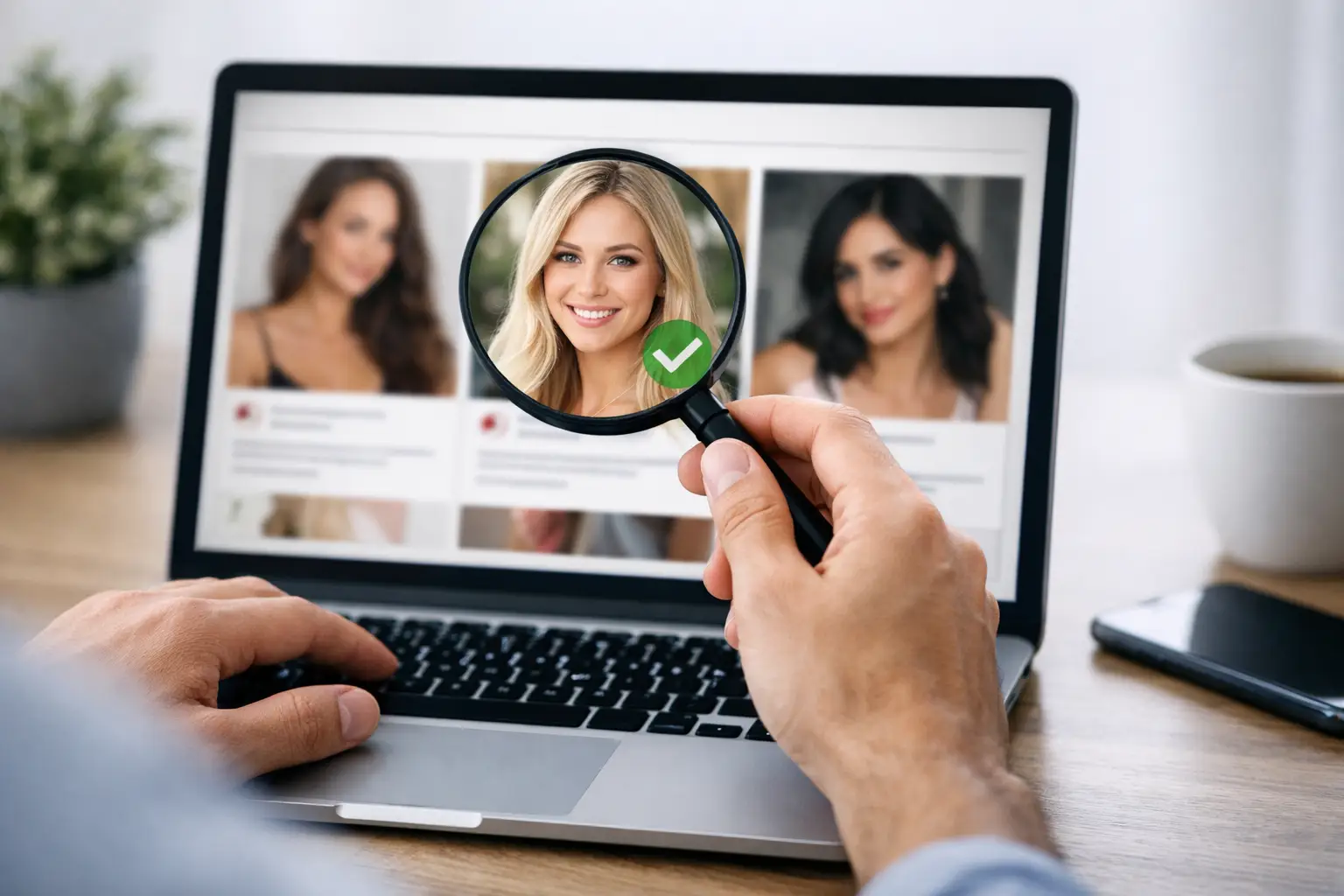
Platform badges usually mean the provider submitted some form of identification or completed a basic photo check at one point. Independent verification can involve recent timestamped photos, video confirmation, or third-party review systems. Self-claimed verification is the weakest form — anyone can write the word on a profile.
Treat verification as one useful signal among several, not as a complete guarantee. A profile can display a badge and still contain outdated photos or inconsistent details. The real work is in checking the full picture.
Core Checklist for Evaluating Any Profile
Before you look at individual elements in detail, run a quick consistency check across the entire listing.
- Does the name stay the same across photos, bio, and contact details?
- Is the stated location current and specific?
- Are rates clearly listed with duration and any extras?
- Does the bio mention boundaries and service style in plain language?
- Is there any contact method that matches the rest of the information?
Strong profiles feel coherent. Weak ones usually show small mismatches that add up. Start here before you spend time on deeper analysis.
Photo Red Flags & Green Flags
Photos remain the most common place where problems appear.
Red flags include:
- Images that look like they belong to different people
- Perfect studio lighting with no natural variation across the set
- Heavy filtering that removes skin texture or changes facial structure
- Watermarks from other sites or cities
- Only one or two photos that never change over months
Green flags include:
- Multiple recent images with consistent features (hair, tattoos, body type, facial structure)
- Natural lighting and settings that feel real rather than staged
- Slight variations in expression, clothing, and background
- Clear, unedited details that match the written description
If a photo feels off, reverse-image search it. Many stolen images still surface this way. Consistency across a gallery is more reliable than any single perfect shot.
Reading the Bio Like a Professional
A good bio does more than list services. It shows how the person thinks and works.
Look for specificity. Mentions of preferred meeting styles, advance booking windows, or clear boundaries usually come from real experience. Generic phrases that could apply to anyone are a weaker signal.
Tone matters. Professional profiles tend to sound calm and direct. Overly eager language, constant urgency, or exaggerated claims often appear on weaker listings. Original writing that matches the photos and rates is a positive sign. Copy-paste text that repeats across multiple profiles is not.
Pay attention to what is missing as well. A complete bio usually covers availability style, screening expectations, and basic etiquette without forcing you to ask everything later.
Cross-Checking Across Platforms
One strong profile is useful. Matching details across more than one place builds real confidence.
Check whether the same name, photos, rates, and contact approach appear on a personal website, major directories, or